 +1 (844) 444-7456 |

Forensic Engineering and Failure Analysis
We provide independent forensic engineering and failure analysis services to determine the root cause of equipment failures, structural damage, product defects, and operational incidents. Our investigations combine engineering analysis, material evaluation, simulation, and technical expertise to deliver objective, defensible conclusions for industry, insurance, and legal matters.
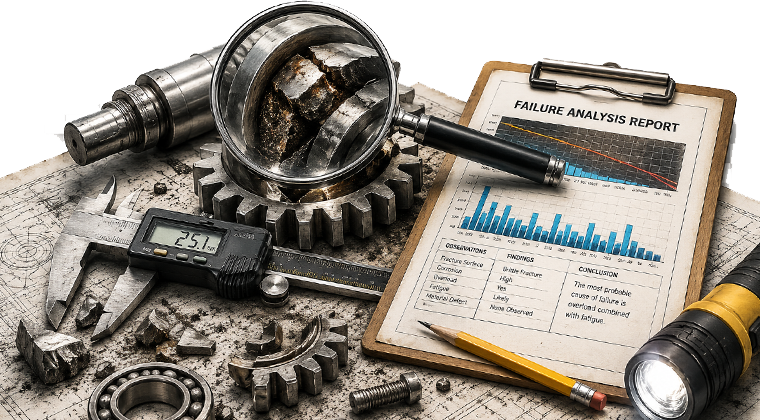
Engineering Failure Investigation Services
Engineering failures often result from a combination of design, material, manufacturing, operational, and environmental factors. Our multidisciplinary forensic engineers investigate failures using proven analytical methods, non-destructive testing, materials evaluation, and engineering simulations to identify root causes and support informed technical decisions.
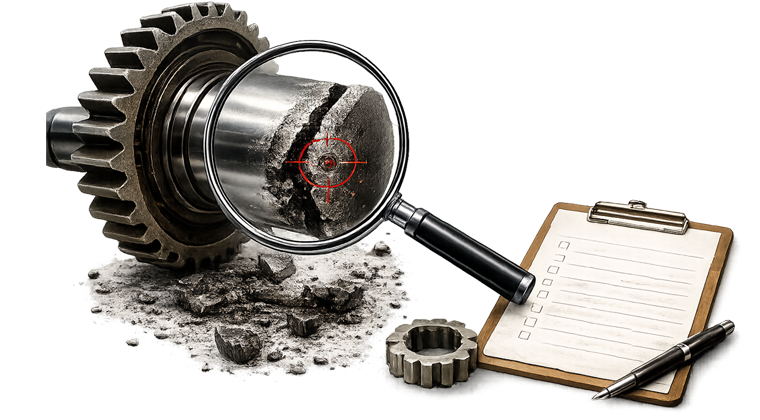
Root Cause Analysis
Identify the underlying causes of structural, mechanical, and material failures through systematic engineering investigation, analytical modeling, and evidence-based evaluation.
Root Cause Analysis Consulting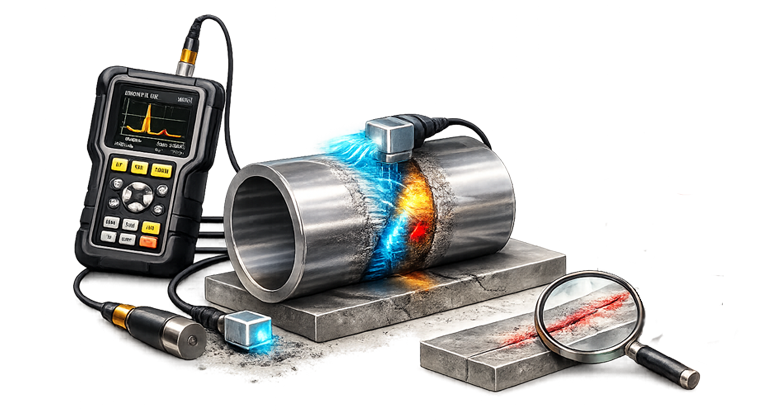
Non-Destructive Testing (NDT)
Inspect components and structures using advanced non-destructive testing methods to detect hidden defects, cracks, corrosion, and material discontinuities without damaging the asset.
Non-Destructive Testing (NDT) ConsultingIndustries We Support
We investigate engineering failures across critical industries where equipment reliability, structural integrity, and operational safety are essential. Our forensic engineers provide technically defensible investigations for insurance claims, litigation support, industrial incidents, and failure prevention.
- Aerospace
- Manufacturing & Industrial
- Oil & Gas
- Power, Energy & Utilities
- Transportation
- Government & Infrastructure
Failure Analysis Applications
- Structural Failure Investigation
- Mechanical Failure Analysis
- Material Failure Investigation
- Product Liability Investigations
- Fire & Explosion Investigations
- Non-Destructive Testing
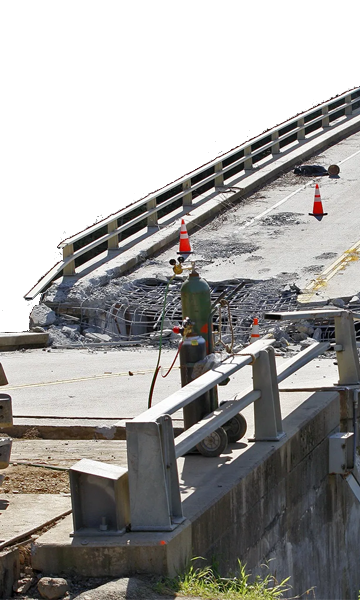
Structural Failure Investigation
Investigate structural failures involving buildings, bridges, foundations, pressure vessels, and engineered systems to determine contributing factors and failure mechanisms.
Common Applications
- Building failures
- Bridge investigations
- Structural collapse
- Foundation problems
- Pressure vessels
- Infrastructure damage
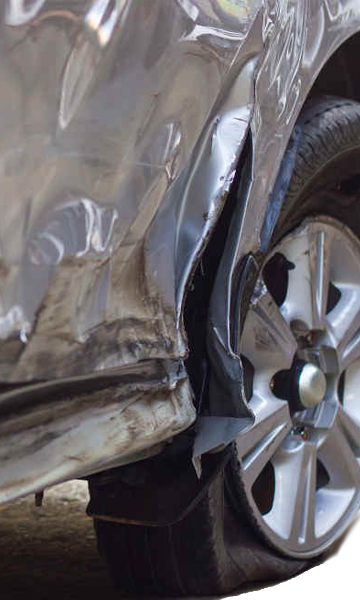
Mechanical Failure Analysis
Determine the causes of machinery, rotating equipment, and mechanical component failures using engineering analysis, inspection, and failure mechanics.
Common Applications
- Fluid film bearings
- Flexible rotors
- Turboexpanders
- Compressors
- Industrial turbines
- Rotating process equipment
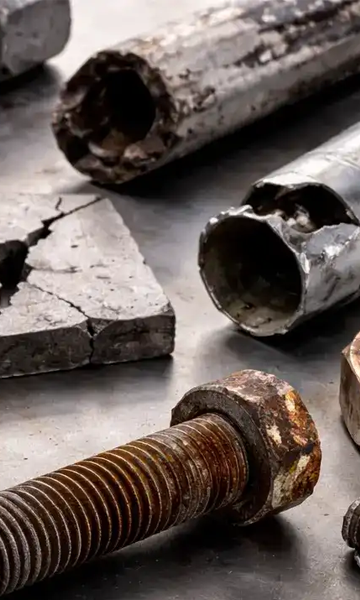
Material Failure Investigation
Analyze fractures, corrosion, fatigue, wear, creep, and material degradation to identify failure mechanisms and improve future component performance.
Common Applications
- Fatigue cracking
- Corrosion damage
- Brittle fracture
- Wear analysis
- Material defects
- Heat treatment evaluation
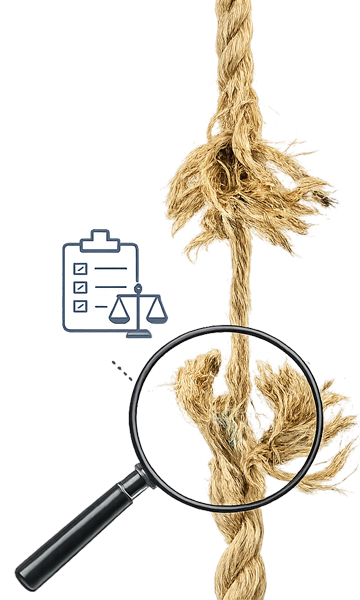
Product Liability Investigations
Evaluate products involved in failures, accidents, or litigation to determine whether design, manufacturing, or operational factors contributed to the incident.
Common Applications
- Consumer products
- Industrial equipment
- Automotive components
- Medical devices
- Manufacturing defects
- Design verification
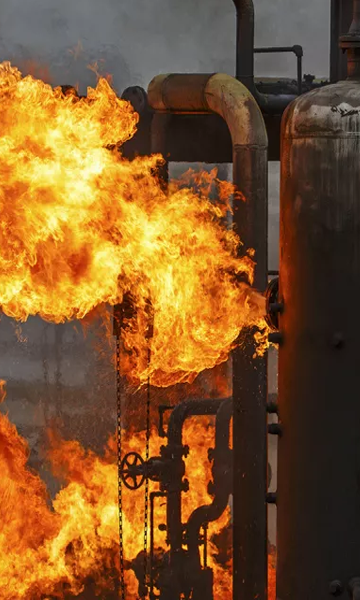
Fire & Explosion Investigations
Investigate fire, explosion, and thermal damage events by evaluating ignition sources, equipment performance, and engineering evidence.
Common Applications
- Industrial fires
- Process equipment
- Gas explosions
- Electrical failures
- Combustion incidents
- Insurance investigations
Non-Destructive Testing
Perform non-invasive inspections to evaluate structural integrity, detect hidden defects, and support condition assessments without damaging critical assets.
Common Applications
- Ultrasonic testing
- Magnetic particle inspection
- Dye penetrant testing
- Visual inspection
- Weld evaluation
- Crack detection