 +1 (844) 444-7456 |

Critical Speed Analysis
We perform critical speed analysis to evaluate rotor natural frequencies, resonance risks, and operating speed limits in rotating machinery. Our rotordynamic analyses help identify critical speeds, assess separation margins, improve machine reliability, and reduce vibration-related failures in turbines, compressors, pumps, motors, and other high-speed rotating systems.
What We Analyze
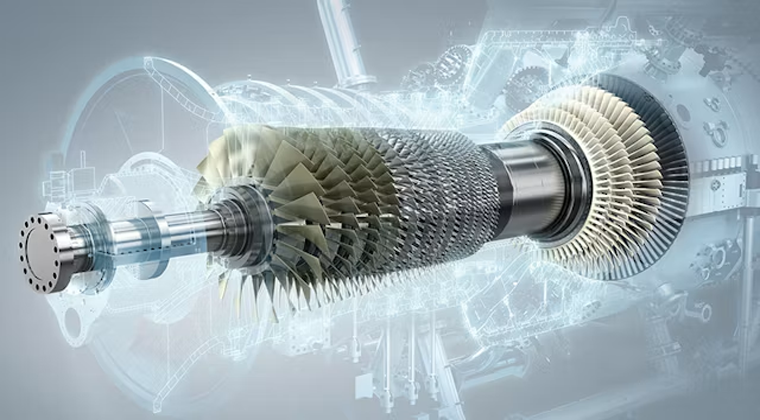
Our critical speed analyses evaluate how rotor geometry, bearing stiffness, support conditions, mass distribution, and operating speed influence vibration behavior and resonance risk.

Rotor Natural Frequencies

Critical Speed Prediction

Campbell Diagrams

Resonance Risk

Separation Margins

Operating Speed Range
Why
Critical Speed Analysis?
Critical speed analysis helps engineers identify resonance risks before they lead to excessive vibration, bearing damage, shaft fatigue, or equipment failure. By understanding rotor natural frequencies and operating speed margins, organizations can improve reliability, reduce downtime, and make better decisions about design, operation, and maintenance.
Applications
- Critical Speed Prediction
- Campbell Diagram Evaluation
- Separation Margin Assessment
- Startup & Shutdown Analysis
- Rotor Design Optimization
- Failure Investigation
Critical Speed Prediction
Identify rotor critical speeds and natural frequencies to determine whether operating speeds may coincide with resonance conditions that can cause excessive vibration.
Common Applications
- Turbines
- Compressors
- Pumps
- Electric motors
- Generators
- High-speed shafts
Campbell Diagram Evaluation
Use Campbell diagrams to compare rotor natural frequencies with operating speed and excitation lines, helping engineers identify potential resonance crossings.
Common Applications
- Rotating equipment design
- Speed range evaluation
- Resonance screening
- Turbomachinery analysis
- Startup and shutdown studies
- Design verification
Separation Margin Assessment
Evaluate whether critical speeds are sufficiently separated from normal operating speeds to reduce vibration risk and support reliable machine operation.
Common Applications
- API-style rotor evaluations
- Compressor systems
- Turbine systems
- Pump trains
- High-speed machinery
- Reliability assessments
Startup & Shutdown Analysis
Assess rotor behavior as machinery passes through critical speed regions during startup, coast-down, and transient operating conditions.
Common Applications
- Startup vibration
- Shutdown response
- Speed ramp analysis
- Transient operation
- Field troubleshooting
- Machinery commissioning
Rotor Design Optimization
Optimize rotor geometry, bearing properties, support stiffness, and mass distribution to shift critical speeds away from operating ranges and improve dynamic performance.
Common Applications
- New equipment design
- Rotor redesign
- Bearing selection
- Support modification
- Weight distribution
- Performance improvement
Failure Investigation
Investigate vibration problems and rotating equipment failures by evaluating whether resonance, critical speed crossings, or insufficient separation margins contributed to the issue.
Common Applications
- Excessive vibration
- Rotor failures
- Bearing damage
- Shaft cracking
- Resonance investigations
- Root cause analysis