 +1 (844) 444-7456 |

Rotor Stability Analysis
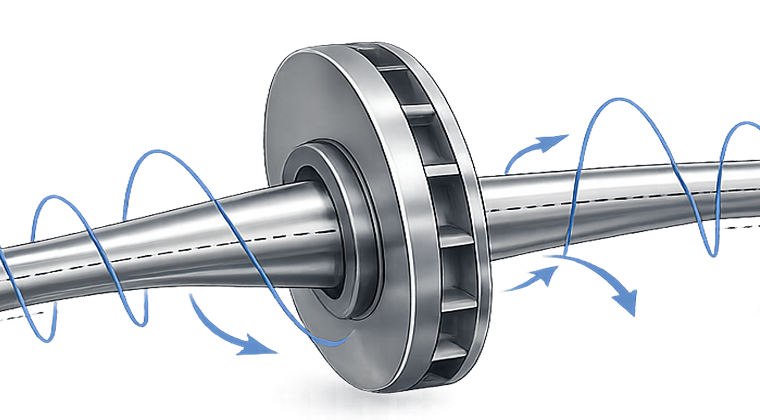
We perform rotor stability analysis to evaluate dynamic instabilities, subsynchronous vibration, oil whirl, oil whip, bearing effects, and rotor-support behavior in rotating machinery. Our rotordynamic analyses help identify instability risks, improve machine reliability, and reduce vibration-related failures in turbines, compressors, pumps, motors, and other critical rotating equipment.
What We Evaluate
Our rotor stability analyses evaluate how bearings, seals, dampers, support stiffness, operating speed, and fluid-induced forces influence rotor vibration behavior and dynamic stability.

Rotor Stability

Subsynchronous Vibration
Oil Whirl & Oil Whip

Bearing Effects

Seal Dynamics
Stability Thresholds
Why
Rotor Stability Analysis?
Rotor instability can lead to excessive vibration, bearing damage, seal wear, shaft rubs, fatigue, and unplanned equipment shutdowns. Rotor stability analysis helps engineers identify instability mechanisms, evaluate safe operating limits, improve damping, optimize bearing and seal performance, and increase rotating machinery reliability.
Applications
- Stability Threshold Analysis
- Subsynchronous Vibration Evaluation
- Oil Whirl & Oil Whip Analysis
- Bearing & Seal Stability
- Design Optimization
- Failure Investigation
Stability Threshold Analysis
Evaluate the speed and operating conditions where rotor instability may occur, helping engineers identify safe operating ranges and prevent excessive vibration.
Common Applications
- Compressors
- Turbines
- Pumps
- Generators
- High-speed shafts
- Industrial rotating equipment
Subsynchronous Vibration Evaluation
Analyze vibration occurring below running speed to identify instability mechanisms such as oil whirl, oil whip, seal-induced instability, or rotor-bearing interaction.
Common Applications
- Journal bearing machines
- Compressors
- Steam turbines
- Gas turbines
- Process equipment
- Field vibration issues
Oil Whirl & Oil Whip Analysis
Investigate fluid-film bearing instabilities that can produce high vibration, unstable rotor motion, and potential machine damage if not properly controlled.
Common Applications
- Journal bearings
- Tilting pad bearings
- High-speed rotors
- Turbomachinery
- Bearing troubleshooting
- Rotor instability investigations
Bearing & Seal Stability
Evaluate how bearing coefficients, seal forces, damping, stiffness, and support conditions influence rotor stability and vibration response.
Common Applications
- Bearing design review
- Seal dynamics
- Squeeze-film dampers
- Support stiffness studies
- Rotor-bearing systems
- Machinery reliability improvement
Design Optimization
Improve rotor stability by optimizing bearing properties, support stiffness, damping, seal configuration, and rotor geometry to reduce instability risk.
Common Applications
- New machine design
- Rotor redesign
- Bearing selection
- Damper optimization
- Seal modification
- Operating speed evaluation
Failure Investigation
Investigate vibration-related equipment failures by determining whether rotor instability, subsynchronous vibration, bearing behavior, or seal forces contributed to machine damage.
Common Applications
- Excessive vibration
- Bearing failures
- Shaft damage
- Seal-related instability
- Rotor rub events
- Root cause analysis